Sunday, November 13, 2011
Short Q&A - Machon Ot
Founded by Rabbi Yitzchak Shteiner and Rabbi Yitzchak Goldshtein, Machon Ot is a non-profit organization based in Jerusalem which has developed computerized techniques of torah identification.
Every examined scroll is entered into The International Torah Registry, a worldwide computer database assigning a unique torah code (likened to a fingerprint) to every torah scroll analyzed. Using this technique, any torah scroll can be immediately identified and matched with its owner. This technique is the only one used by both The Israel National Police, Interpol and The New York Police Department for returning a recovered stolen torah scroll.
I've seen their sticker in the Aron Kodesh of many Israeli synagogues and they are well known there. This is a great initiative and I hope it catches on in the rest of the world. Their service is very affordable and it can help in case of robbery or loss - something unfortunatedly not uncommon today (see here about a case last year in Europe)
Here's my short interview:
1. When was the Machon founded?
1988. It's a non-profit organization and our mission is to repair and donate Torah to places which do not have a Kosher Torah Scroll.
2. How can a client send a scroll for analysis? Must he send to Israel only or also other locations?
He needs to fill up a registration form and submit it to Israel. We also come to the US from time to time.
3. How many Torah scrolls have the "fingerprint" identification today?
15000.
4. Do you also analyse other scrolls, like Megillat Esther or only Sefer Torah?
We analyze both Torah Scrolls and Megillat Esther.
5. Do you check who wrote the Sefer Torah you analyze? The scrolls with Machon Ot fingerprint are all Kosher?
We can't know who wrote the Torah but we have signs that tell us if it was written by a Kosher Scribe. We check Kosher and damaged Torahs and provide an estimate in case of need of repair.
6. How much it costs to fingerprint a Torah Scroll, roughly?
About U$100.
7. Did the police recover any scrolls because of the fingerprint?
Yes, in Yahud (Israel).
8. What's the oldest Torah you received in the Machon?
500 years.


Thursday, November 3, 2011
Halacha LeMaase: Hanging Words
A student from Indiana University emailed me some pictures of an old Sefer Torah which reminded me of a
few obscure Halachot. Take a look in the first two pics:
But the most interesting bit comes now:


That is, that you can always "hang" a letter or even a whole Pasuk on the space between the lines. Now we can fully appreciate the smart solution of this Sofer.
few obscure Halachot. Take a look in the first two pics:


This Torah is written in Veilish - the Sephardic Script - and it has inverted Tzadi (and Shin), which means that it was influenced by the Ktav Ari. The Sofer follows the Rambam's opinion of Parshiot Petuchot and Setumot but he used an odd layout for the Parsha of Shma, not sure why. I will research further.
As you can see, the words of Shema have many extra Taggim which are today only found in our Tefillins (reminds me of the popular practice of writing Sifrei Torah in Ktav Ari, a script was supposed to be used only in Tefillin - click here for my post on this topic).
The student notes that the parchement is made from sheep skin and although that's very unusual, halachically speaking that's 100% kosher since you can write on the Klaf of any kosher animal - be it deer, sheep or even chicken (never seen this one but it's mentioned by all early sources).
But the most interesting bit comes now:

This section is very interesting - note the ultra small writing. Here's what I think happened.
This Parsha is an "open" parsha (Petucha) but the Sofer originally erred and used the Setumah layout (see the evidence at the end of line 3) which looks like this:

The Sofer only realized the mistake later and it was too late to fix it properly, since the next lines were all in place already. Since this is a mistake that would render a Sefer Torah 100% Pasul, the Sofer came up with an ingenious solution found in Halacha. He erased the words at the end of line 3, effectively erasing the wrong layout and rewrote the words by "hanging" them at the beggining of line 4. This changed the layout to a proper Parsha Petucha (according to the Rambam) and it magically turned the Sefer Torah kosher again.
But can you hang letters? Yes you can. This is already brought in the Tannaic Masecht Sofrim but I could only find this Halacha online in the Aruch Hashulchan:
טעה ודילג תיבה או יותר – יכול לתלותו בין השיטין במקום שנחסר
ולאו דווקא תיבה אחת יכול לתלות בין השיטין, אלא אפילו כמה תיבות ויותר מזה. כתב התשב"ץ (חלק ראשון סימן קע"ו הביאו בבד"ה) דאפילו דילג פסוק שלם – יכול לתלותו בין השיטין, דאין לחלק בין חסרון מרובה לחסרון מועט
Monday, October 24, 2011
Baruch Shekivanti!

"In the beit midrash, it is considered an exciting delight to find that one's original thought was actually innovated by an earlier source, unbeknownst to the current thinker. This is usually taken to be a vindication of the thought patterns of the learner, and an exoneration of his logic. The happy student may exclaim, 'baruch shekivanti!', which ostensibly means 'blessed is He who directed me [to the same conclusion as source x]'. This phrase has become of modern parlance in orthodox circles, and is used in situations removed from torah learning, as well. (...)" SourceExactly one year after my novel explanation about the Ot of Cain, which I identified to be the Tav just like the Ot of Mitzraim in Exodus 12:13 , I was shown a source to this claim - the Siftei Chachamim (see here, last line): אות ת רמז בו תחיה כלומר שלא יהרגנו
It's just remains unclear if Hashem inscribed in Cain the letter Tav in Ktav Ivri or Ashurit. The Ot of Mitzraim was in Ktav Ivri, like an X. So did Cain have our traditional Tav or an X in his forehead?
Just an addendum, the Siftei Chachamim also brings that the letter could have been the Hey, one of the letters in G-d's name. As I mentioned in the original post, the Peirush Hasulam says that it was a Vav. I thought that was all - Tav, Hey and Vav. Then I looked in older Mikraot Gedolot and found this alternative version of the Siftei Chachamim (see here): אות י רמז בו יחיה כלומר שלא יהרגנו. Somebody obviously messed up in the copying because that is NOT what the Siftei Chachamim says, so in case you see it, it's a clear Taut Sofer, copier's error.
Monday, October 3, 2011
Melechet Shamayim
Just came across a very good blog that also focuses on Safrut. The author is very handy and like experiments, and I specially like his series about Gevil parchment. In fact, I will look for a Gevil on my upcoming trip to Jerusalem. The question is what I should write on it - I'm thinking maybe a Lamnatzeach (see post about it here), a psalm that was inscribed in David's shield for protection. It's short, easy to write and it will look stunning in Gevil.
Sunday, October 2, 2011
Ze Keili VeAnveihu זה אלי ואנוהו
Just a quick briefing:
"זה אלי ואנוהו" - התנאה לפניו במצוות
(מסכת שבת קלג/ב)
In that post I mentioned that according to some rabbanim, there's no concept of Ze Keili Veanveihu in something which is concealed from the eye (i.e. Tefillin). Yesterday I saw that the Keset HaSofer explicitly disagrees and even brings a proof from the Aron HaKodesh, which was gold coated not only externally but internally as well. That is because, says the Keset Hasofer, of Ze Keili Veanveihu. See below (here is the original):
ג) ל כ ת ח ל ה יכ ת ו ב כ ת י ב ה גס ה ק צ ת של א יהיו נמ ח ק י ם מ ה ר ה וכ ן
מצו ר , לי פ ו ת ן מ ב פ נ י ם שה ר י בי ה מ ״ ק הי ה מצ ו פ ה זה ב מ ב פ נ י ם ,
ה) הס ו פ ר י ם הז ר י ז ים עו ש י ם ג׳ מי נ י קל פ י ם לש ל רא ש ה ע ב י ו ת ר
ל כ ת ו ב בו פ׳ שמ ע שה י א ק ט נ ה , ו ה ד ק ממ נ ו לפ י וה י ה כי
י ב י א ך שה י א יו ת ר ג ד ו ל ה , ול פ י קד ש ול פ י וה י ה א ם שס ו ע שה ן
א ר ו כ ו ת עו ש י ם קל ף דק מ א ד וב ז ה י ת מ ל א ו ה ב ת י ם בש ו ה וזהו נו י
ה פ י ל י ן
Just delving a bit more in this subject, I think we can use the classical yeshivish distinction of Gavra (גברא) and Cheftza (חפצא) to explain the two sides of this discussion; if the concept of Ze Keili is upon the person (גברא) so he knows what's hidden and if there's something nice in it like a well-written parsha or in the case of the Aron Kodesh, gold coated wood, the person will think he is exalting the Mitzva and it will count as Ze Keili Veanveihu.However, if Ze Keili relates exclusively to the item (חפצא), then when you look at the item there's nothing special about the hidden gold coat or the special parshiot. The item just looks the same as any other and therefore only an external embelishment will make it special. Hence the wording ZE keili, the word ZE ("this") is usually referred to something you can point at i.e. not hidden.
What option do you think is more correct? If you think nobody would spend money on a hidden embellishment and that therefore the first opinion doesn't make sense, here's a famous story that illustrates the psychology behind the first opinion, although is not Torah related. Here it is - Lehavdil!
Steve Jobs has a many enviable qualities. His attention to detail, his ability to grasp what people actually want, his management style and presentation skills are all things that many CEO's envy.
(...)That scenario almost repeated itself with the original Mac. Upon seeing the mother board Steve deemed it ugly. When designers pointed out that the only service technicians would actually see the motherboard, Steve shot back famously "I'll see it." (source)
Friday, September 23, 2011
Saving an Holocaust Torah Scroll - Part II
This is a follow-up of an earlier post.
So here we are, a year since I first saw the Holocaust Torah I wrote about. For a full year nothing much happened and, to my great pain, I wasn't managing to get any breakthrough in saving this very special scroll.
During the course of this year, I kept this story to myself and my family, as I had no interest in spreading a sad story like this one to my friends. But on Shavuot, the day we celebrate the Giving of the Torah, I was sitting next to a family friend who mentioned he was involved with an Holocaust claim in another European city. I then told him about this story and he volunteered to solve the stalemate. A very respected figure in the community, this friend had the connections, experience and the latitude to negotiate the return of the Torah scroll.
In very little time, he was able to mobilize the local Jewish community and gain the support of the city's vice-mayor, Ludo Van Campenhout. After a very eloquent letter from Rabbi Lieberman, the city's Chief Rabbi, this story broke out in the news. Now that this story is public I can give you the specifics. The Torah Scroll is housed in Hendrik Conscience Biblioteek, one of Antwerp's main libraries.
Here is a quick Google translation of the original article, from the Gazet Van Anwterpen:
Well, this is major news. Before any comment, I must enphasize that we should display great respect and gratitude to the Biblioteek, which managed to store and preserve the scroll for over 60 years. That's truly remarkable.
With that said, it seems there's a real chance this special Sefer Torah will be finding its way back to a synagogue after over 60 years of isolation. Imagine the impact of reading from it on a Shabbath prayer for the first time in so many decades... I think that's a once-in-a-lifetime occasion, kind of a closing of a cicle for the Antwerp Jewish community. Many local Holocaust survivors relate that after the Nazi occupation all the Torah scrolls from the city's two main Synagogues were taken to the street and burned in front of the community, with the exception of one scroll which was rushed away. Is this the same scroll? Impossible to know but be it as it may, this surviving scroll is perhaps the only of its kind in this city and a testament of the endurance and rebirth of the Jewish Community of Antwerp. I hope we can get it on time for Simchat Torah.
So here we are, a year since I first saw the Holocaust Torah I wrote about. For a full year nothing much happened and, to my great pain, I wasn't managing to get any breakthrough in saving this very special scroll.
During the course of this year, I kept this story to myself and my family, as I had no interest in spreading a sad story like this one to my friends. But on Shavuot, the day we celebrate the Giving of the Torah, I was sitting next to a family friend who mentioned he was involved with an Holocaust claim in another European city. I then told him about this story and he volunteered to solve the stalemate. A very respected figure in the community, this friend had the connections, experience and the latitude to negotiate the return of the Torah scroll.
In very little time, he was able to mobilize the local Jewish community and gain the support of the city's vice-mayor, Ludo Van Campenhout. After a very eloquent letter from Rabbi Lieberman, the city's Chief Rabbi, this story broke out in the news. Now that this story is public I can give you the specifics. The Torah Scroll is housed in Hendrik Conscience Biblioteek, one of Antwerp's main libraries.
Here is a quick Google translation of the original article, from the Gazet Van Anwterpen:
Jews claim the Torah Scroll back

20.9 The Jewish Community of Antwerp is claiming an ancient Torah scroll to be returned from the Heritage Library. But that's not so simple.
Chief Rabbi Lieberman of the Jewish Community of Antwerp wants the Heritage Library to return an original handwritten Torah scroll to the community. The roll, like a Bible, is now in the archives of the library.According to chief rabbi Lieberman, the Torah scroll's home is at the community's synagogue and that according to Jewish religious practices, that is the only proper place for such scroll. The Torah scroll has been decades in the library. Only a few years ago, the religious writing was discovered by staff
History
The history of the Torah scroll is as exciting as sinister. The writings, rolled nearly 20 feet long, were given during the Second World War by a Antwerp Jew to the former city librarian.The man hoped this would keep the roll out of the hands of the Germans. And he succeeded. Torah Scrolls during the Second World War were without exception burned. It is likely that the role of the Heritage Library is the only one that survived the German destruction in Antwerp.
"Belongs in the synagogue"
As per Rabbi Lieberman's letter to Ludo Van Campenhout, "I think that really belongs Torah scroll in a synagogue, and I will do whatever I can to return the scroll to the Jewish community."The Heritage Library will restore the Torah scroll and a few years to the public display in the Museum aan de Stroom (MAS), where a show about religion in Antwerp will take place. "That seems a good idea. Especially since the Jews themselves say that a Torah scroll is only one place: the synagogue. It would mean that we give back the role, "concludes Ludo Van Campenhout.
Complications
"We know there is a demand from the Jewish community to take over the Torah scroll," said director of the Heritage Library An Renard. "But there are a few complications. We do not know who brought the Torah scroll during the war. "Apart from the Jewish Community of Antwerp , there are other Jewish communities in the area. Who is the rightful owner? "We do not know. This makes it difficult to transfer the scroll. "Furthermore, the Torah scroll is in poor condition and in urgent need of restoration. "Before we assign any role, we want to do the necessary investigation and ensure that the role is well conserved," says An Renard.Minister of Culture and Worship Philip Heylen (CD & V) shares this opinion. "I think that with the Jewish communities and the Heritage Library should sit around the table. It would be very unwise to act quickly and without proper research to make a decision. That does not mean we exclude that the Torah scroll is transferred to the Jewish community in Antwerp".

20.9 The Jewish Community of Antwerp is claiming an ancient Torah scroll to be returned from the Heritage Library. But that's not so simple.
Chief Rabbi Lieberman of the Jewish Community of Antwerp wants the Heritage Library to return an original handwritten Torah scroll to the community. The roll, like a Bible, is now in the archives of the library.According to chief rabbi Lieberman, the Torah scroll's home is at the community's synagogue and that according to Jewish religious practices, that is the only proper place for such scroll. The Torah scroll has been decades in the library. Only a few years ago, the religious writing was discovered by staff
Well, this is major news. Before any comment, I must enphasize that we should display great respect and gratitude to the Biblioteek, which managed to store and preserve the scroll for over 60 years. That's truly remarkable.
With that said, it seems there's a real chance this special Sefer Torah will be finding its way back to a synagogue after over 60 years of isolation. Imagine the impact of reading from it on a Shabbath prayer for the first time in so many decades... I think that's a once-in-a-lifetime occasion, kind of a closing of a cicle for the Antwerp Jewish community. Many local Holocaust survivors relate that after the Nazi occupation all the Torah scrolls from the city's two main Synagogues were taken to the street and burned in front of the community, with the exception of one scroll which was rushed away. Is this the same scroll? Impossible to know but be it as it may, this surviving scroll is perhaps the only of its kind in this city and a testament of the endurance and rebirth of the Jewish Community of Antwerp. I hope we can get it on time for Simchat Torah.
Thursday, September 1, 2011
The Lost Torah Scroll from Munkatch
This is for the Hebrew speaking readers - the remarkable story of a small Sefer Torah from Munktach which survived the WW2.
Enjoy
Sunday, July 31, 2011
Stam Stories #5: The Sofer and the Quill
Horav Moshe Zaggaro, zl, one of the distinguished rabbanim in Fez, Morocco, was also a sofer, scribe. He had an interesting way of writing a Torah. He wrote the entire Torah, leaving space for Hashem's Name. When he concluded writing the entire Torah, except for Hashem's Name, he would then take a special quill which was used exclusively for this purpose, and write Hashem's Name, with all of the esoteric, Kabbalistic kavanos, intentions. Shortly before he passed from this world, he asked that the pen which he had designated for writing Hashem's Name should be buried with him.
Rav Moshe passed from this world, but, regrettably, during the commotion, they forgot to place the quill in his coffin. As the students were about to lift the coffin for its last time, they found it impossible to lift. Try as they did, the coffin was impossible to raise. They could not figure out why this had happened, until someone remembered the quill. They had forgotten to carry out Rav Moshe's tzavaah, last request. As soon as they brought the quill, the hand of the deceased reached out from within the coffin and took the pen in the natural way it was used. Suddenly, the coffin became as light as a feather, and it was taken to its final resting place.
A holy man; a holy quill; a kiddush Shem Shomayim, a sanctification of the Name of Heaven. We now have an idea of the kedsushas Sefer Torah, sanctity of a Sefer Torah.
(Source)
Tuesday, April 12, 2011
Matzos and Tefillin of Rabbeinu Tam


Someone presented me with a brand new Sefer called Ot Yatziv, from Zanz, which deals exclusively with the Minhaguim of Zanz in Safrut, with lots of citations from Zanz's most famous Rebbe, the Divrei Chaim.
The Divrei Chaim says that his Chassidim should only buy Rabbeinu Tam tefillin from a Sofer who actually puts Rabbeinu Tam Tefillin everyday. The reason? The main "drasha" of the Talmud in regards to Tefillin is:
וקשרתם... וכתבתם, כל שישנו בקשירה ישנו בכתיבה, וכל שאינו בקשירה אינו בכתיבה (Gittin 45)
This means that a person who's obligated to put on Tefillin is the person who's permitted to write it, thus excluding woman, children and others from writing Tefillin.
But the Divrei Chaim uses this drasha further to exclude a Sofer who doesn't puts Rebbeinu Tam Tefillin from writing such a Tefillin, since in this regard he is not "Bar Keshira". Of course, this is a Chumra and a Tefillin written by a non-Rabbeinu Tam Sofer is Kosher. But it's an interesting point.
The Ot Yatziv says that this stringency of the Divrei Chaim is related ("לשיטתו") to the famous Minhag of Zanz of not eating machine matzos on Pessach. The Rebbe said that there is a hidden reason for it ("taam kamus") and Zanz Chassidim treat machine matzos like Chometz - that's right, don't try to bring Yehuda Matzos to your Zanz friends on Pessach.
(In the other hand, I have a friend who's family will not eat hand-made Matzos on Pessach because they claim that the computerized system of the machine matzos is far more reliable than the hand made process, which they consider more prone to causing chametz. Which begs the question - how did the Jews survive 3000 years without the machine matzos?)
The Divrei Chaim goes so far to rule that if your Minhag is that machine matzos is chometz, like Zanz, you cannot make Zimun with friends who eat machine matzos next to you, because as far as you are concerned these people are eating Chometz - having Zimun with them is a paradox you should avoid. That's the same underlying principle of the Divrei Chaim's chumra in regards to Tefillin of Rabbeinu Tam - you shouldn't buy it from a person who doesn't supports this opinion, since the Drasha of שישנו בקשירה ישנו בכתיבה will not work in this case and will thus cause a paradox to you.
Be it in Tefillin DeRabbeinu Tam, be it in Zimun between hand-matzo eaters and machine-matzo eaters, this is a very big chumra from Zanz. And a very annoying one for people with Zanz in-laws like me...!
Tuesday, February 22, 2011
Saving an Holocaust Torah Scroll - Part I
There's has been a lot of press surrounding the veracity of a few Holocaust Torah Scrolls sold by a Maryland Rabbi, and being that I'm not here to judge anyone, all I can say is that this story highlights the special importance of Holocaust scrolls and how many people are willing to pay top money for these special scrolls.
Well, I myself am dealing with a Holocaust scroll which is housed in an European library since World War 2. The library tells me that after the Nazi occupation, a Jewish man came to the library and asked them to protect the Torah Scroll he had in his possession. I guess he felt that people who preserve books would understand the importance of the scroll and keep it from being destructed. And so it was. They kept the scroll and took great care of it since 1941, and in one way or another they contacted me because they wanted to know more about its history.
Well, I myself am dealing with a Holocaust scroll which is housed in an European library since World War 2. The library tells me that after the Nazi occupation, a Jewish man came to the library and asked them to protect the Torah Scroll he had in his possession. I guess he felt that people who preserve books would understand the importance of the scroll and keep it from being destructed. And so it was. They kept the scroll and took great care of it since 1941, and in one way or another they contacted me because they wanted to know more about its history.
So I went there with one of my Safrut teachers to take a look at this unique Torah. First, the librarian takes us to a tour and tells us that they actually have many Jewish books with them but can't organize them as they are all in Hebrew. "These books are part of city's heritage and we would love to involve the Jewish residents in this and work together towards organizing all what we have".
We finally enter the room to see the Sefer Torah. We see the scroll is on top of the desk, wrapped in a special green carton paper ("to prevent corrosion") and sealed. It was a very emotional sight as it literary felt like visiting a long forsaken prisoner, albeit one that was kept well.
We were expecting a low quality Torah, with broken Yeriot and inferior Ktav. But as we unwrap the carton, it becomes evident that this is a top-quality Torah. It was missing the last 5 parshiot of Devarim and the Ktav was immaculate - really nice Polish style Torah. I took pictures but to my despair I can't find them and share it with you.
Now I'm trying to somehow save this Torah and bring it back to where it belongs - to a Shul, in the Bima, being read by the Baal Koreh on Shabbos. But for now, that is just a dream. Chazal say that a person who fixes a pasul Sefer Torah is Mekaiem the Mizva of Kitvu Lachem. But even if I somehow miracoulosly turn out to be the Sofer fixing this Torah, this is so much more than personal gain. It's about changing history and correcting a very big mistake!
Monday, January 24, 2011
Ktav Ari
Check my previous post on the different Ashurit scripts before reading this one.
The Ktav Ari is one of Safrut's most fascinating topics for me. Actually, the Arizal in general always fascinated me, as few other individuals have impacted Judaism as much as he did.
First, it's important to understand who he was. Here is Wikipedia's take on him:
He was born in Jerusalem[1] in 1534 to an Ashkenazi father, Solomon, and a Sephardic mother;[6] died at Safed, Ottoman Empire controlled land of Israel July 25, 1572 (5 Av 5332). While still a child he lost his father, and was brought up by his rich uncle Mordechai Frances, on his mother's side, atax-farmer out of Cairo, Egypt.At the age of fifteen he married his cousin and, being amply provided for financially, was able to continue his studies. Though he initially may have pursued a career in business, he soon turned to asceticism and mysticism. About the age of twenty-two years old he became engrossed in the study of the Zohar, a major work of the Kabbalah that had recently been printed for the first time, and adopted the life of a recluse. He retreated to the banks of the Nile, and for seven years secluded himself in an
The Ari passed away at the early age of 38 but his teachings changed Judaism in an unprecedented manner.
Until his time, there were two scripts - Veillish and Beit Yosef. In fact, the Beit Yosef lived in the same town as the Ari and was that generation's main posek.

The Ari introduced a new script that wasn't entirely "new". He made a mix of the Veillish and Beit Yosef, a new Ktav that incorporated characteristics of both scripts. Namely, he incorporated the "inverted Tzadi" from Veillish but also the Ashkenazi Peh. He did introduce some very subtle novel details based on his Kabbalistic teachings, but all in all, the major change was the inverted Tzadi. And he was heavily criticized for that "change".
Perhaps he was inspired by his hibrid Ashkenazi/Sephardic upbringing to make this new "intermediary" ktav. The Ari believed his generation needed some specific "Tikkunim" and he adapted the way we write our holy scrolls to achieve these mysterious Tikkunim. For instance, the white Bet inside the Peh, the Chaf within the Shin and the Chet comprised of a Vav and a Nun. But above all, he instructed scribes to write the Shem Hashem in a very unique and difficult way - in parts - based on the Zohar. All these are very subtle details that are inspired by his Kabbalistic teachings and he sought to perpetuate them in his Ktav - the Ktav Ari.
The Ari's changes were recorded by his student Rabbi Chaim Vital and it was clearly intended to be used only when writing Tefillin. But why only in Tefillin? That's subject to debate, but the most compelling reason I've heard is that changes motivated by Kabbalistic reasons shouldn't be evident when a person reads a scroll. It's ok to make a change that is subtle and hidden but to do it in a Torah Scroll, for instance, would be too evident and undesirable. The parshiot of Tefillin, in the other hand, are always hidden and if a scribe makes special details in it nobody will actually realize. That's why the Ari was very specific about using his Kabbalah-inspired Ktav only in Tefillin.
You are surely thinking "what about Mezuza?", after all the Mezuza is also hidden. I haven't heard a very good answer but I have my own speculation. Even though the Mezuza is hidden, the word Sha-dai is always visible (it should be, at least in theory) and you would be able to notice that the Ari Shin is different than the usual one.
Be it as it may, the Chassidic scribes always wrote Tefillins with the Ktav Ari - that custom was universally accepted by them. I don't know if that was the case with Sephardic Jews. I do know that the non-Chassidic Ashkenazi Jews never adopted the Ktav Ari in the scrolls.
It's hard to pin point an exact date, but slowly the Chassidic scribes started to use the Ktav Ari in Mezuzot and even Sifrei Torah, and today virtually all Chassidic sects have Ktav Ari Sifrei Torah in the Synagogues. It's hard to understand what's their justification as the Ari clearly did not intend to change the way Mezuzot and Torahs are written. In fact, I would bet that the Ari's own Sefer Torah was written in either Veillish or Ktav Ashurit; not Ktav Ari.
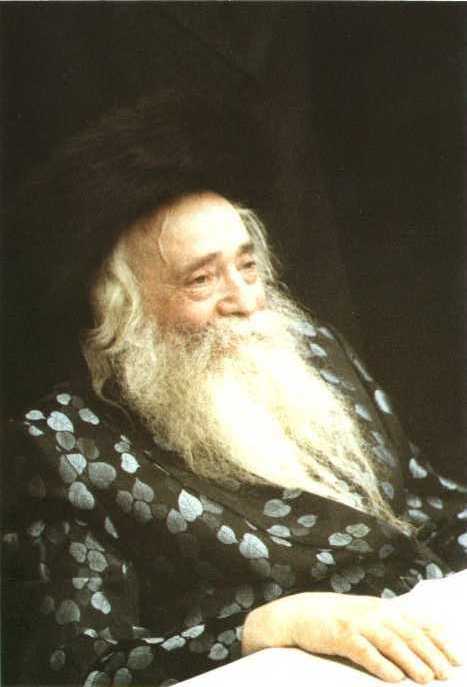
One Chassidic Rabbi was very critical of this practice - the holy Divrei Yatziv of Zanz (make sure you read about his remarkable life story on wikipedia). He had a special Kisharon for Halachot pertaining to Safrut (for instance, he figured out a revolutionary way to make the Batim of the Tefillin - but that's a topic for another post) and was very much against the use of Ktav Ari in Sifrei Torah, even for writing the Shem Hashem.
But Minhag Israel Torah and there's Halachic backing for writing Torahs with the Ktav Ari. The Mishnat Avraham (source) says that there's no problem to write Torah Scrolls with the Ktav Ari and bless the scribes who do it - "Tavo Alav Bracha". And he brings an Halachic justification for it: the Sefer Torah should be written in the same way Tefillin are, because if you write Tefillin with Ktav Ari and Torahs with Ktav Beit Yosef this will cause a Tartei DeSatrei (contradiction) when a person gets an Aliyah. Tartei DeSatrei is a well-established Halacha argument and perhaps this is why Chassidic Sofrim started to write all holy scrolls in Ktav Ari - even Megillat Esther.
The question is what should I do when I start writing my Torah (yes, I plan to start it very soon). Ktav Ari or Beit Yosef?
My teacher writes Sifrei Torah in Ktav Ari and when he is commissioned to write a Torah in Ktav Beit Yosef he writes the Shem Hashem according to the Ari but makes sure this is not evident (he is afraid the commisioners might realize and dissaprove it..). I found that the Kol Yaakov mentions here that this was the Minhag of the scribes of his city, Baghdad.
At first I was thinking I would do the same, but I recently realized it wouldn't make sense to do that in my case. Here's why:
Although I'm not really Chassidic, my father's name is Yekutiel Yehuda - the name of the Divrei Yatziv of Zanz - after my grandfather's father and my grandmother was born in Cluj/Klausenburg, the town where the Divrei Yatziv lived. The Tefillin I wear each and every day was written by a far away relative who lives in Netanya and is a Zanz Chassid. And on top of that, I married into a family of Zanz sympathizers, having a Sheva Brachot in Netanya hosted by the current Rebbe of Zanz. It's crucial to follow a Mesora (tradition) otherwise a scribe can get lost in all the different customs and nuances of Sta"m, so I have always followed the directives of the Rebbe of Zanz in regards to Safrut - I highly recommend his newly published Sefer on the Halachot of Sta"m, a book I always come back to.
Thursday, January 13, 2011
My Progress #7: 2nd Mezuza is reviewed by expert sofer..
... and it's 100% kosher! The sofer who checks my works is VERY attentive and is known for seeing what no one else sees. For many he is just always making up problems but that's specifically why I like him: he really does his job well, regardless if you will like it or not.


Here are two issues he raised about my 2nd Mezuza:
- In the word Deganecha, the Gimel's right leg doesn't comes lower than the left side ("gimel's yud") - both legs are leveled and that's not optimal. Solution: Make the right leg bigger and there's no problem of Kesidran (Mezuza cannot be fixed after it's finished) because this is not a fix, only a hiddur.
- In the word Besadecha, the lamed in the next line is coming inside the Daled slightly. There's a potential issue with that because the Daled could look like a Hey, as the only difference between these two letter (Daled and Hey) is the little dot in the bottom-left side. Solution: This is not a major problem since what's coming inside the Daled is not the actual Lamed but the Lamed's Tag, therefore it's fixable. There are tow possible solutions: either make the Daled's leg a bit shorter, so the Tag of Lamed will not be inside of the Daled; or erase a bit of the Lamed's Tag - i.e. make it smaller. The latter solution is preferable since it's always better to touch a tag instead of the actual letter. (note the small Tag in the Beit next to the Lamed - I did that to avoid having the Tag coming into the Chaf)
Saturday, January 8, 2011
Amazing Megillot #9 - JTS

Sunday, December 19, 2010
Using the Magnifying Lense in Safrut

One of the most important concepts of Safrut is that every word should be "Mukaf Gevil" - which means that it should be surrounded by white. For instance, when two letters touch each other there's a no Mukaf Gevil - the letters don't have their own place in the Klaf. That renders a scroll Pasul.
Often times it's difficult to know if the letters are touching only with the naked eye. "Take the magnifying lense" you think. Well, it's not that simple. Let's go step by step.
Let's say there's a letter Taf which seems to be 100% ok. But when looking with a magnifying lense you see that there's a tiny white lines separating the letter in two (Hefsek Dak). This is a case of using the magnifying class Lechumra, for a stringency, and the Mishna Berura undoubtedly says (see Biur Halacha "ot achat" here) that Sefer Torah will not be rendered Pasul because of the magnifying lense.
But what about a case of using the magnifying lense Lekula, for a leniency? For instance, a case when looking with the naked eye there's a Negia - the letters seem to be touching, but when using the magnifying lense you can see a tiny space between the letters. That assessment would bring a leniency - the Sefer Torah would be rendered kosher if you accept the use of the magnifying lense!
In this case there seems to be substantial backing for the use of the magnifying lense (Rabbi Tzvi Pesach Frank and Shut Sheerit Yisrael) Lekula and that this seems to be the "widespread Minhag amongst the Sofrim of Jerusalem". This seems to be the accepted custom to this day.
However some disagree and hold that the magnifying lense shouldn't be taken to account at all, be it for a Kula, be it for a Chumra. The Shut Tuv Taam Vadaat says that if we were to employ the magnifying glass, we wouldn't be able to drink from most waters as they have tiny insects that cannot be seen by the naked eye.
Yes, we all remember the huge controversy surrounding the New York water filters Psak.
Be it as it may, if you hold that water bugs are ok because they can't be seen with the naked eye, the same should be said in Safrut - a Negia that can't be seen with the naked eye will not be considered a Negia.
In my opinion the logic of the Shut Tuv Taam is flawless - either you take the magnifying lense to account either you don't. To use it only Lekula sounds a little odd. But in practice, all Sofrim use the magnifying lense when inspecting Torah, Mezuzot and Tefillin.
UPDATE: I did some further research into this and it turns out that Rabbi Vozner - one of the leading poskim today - says that Sofrim can and should use a 6x magnification lense. He says that a 6x magnification is what a person would normally see when paying very much attention to something. In other words, 6x magnification doesn't reveal anything "new"; it only aids the sofer to see something that he could see if he would be very attentive. And Rabbi Vozner says you can use 6x lense for both Kula and Chumra. That conforms with the position of the Shut Tuv Taam, which made most sense anyways.
Sunday, November 14, 2010
White Fire and Black Fire
The Ashkenazi sofrim have a custom of writing the Peh in a way that there's also a Bet inside it.
Until the Second World War, the Sofrim accomplished this effect by writing the famous "broken Peh", which ensures that the inner Bet is always visible (click here for my post on the Broken Peh). You can see it here in one of my manuscripts:
 Nowadays, the Ashkenazi sofrim use a more "modern" Peh that also has the inner Bet (if you look in the "negative space"):
 What's this mysterious inner Bet?
The Talmud says that the Torah was given with Black Fire and White Fire, and the Kabalists give many different explanations to this concept.
Rabbi Menachem MiPanu, one of the leading Kabbalists of the 16th century explains that the letters of the Torah are the Black Fire, which is easily visible. The White Fire is more difficult to see - it's the empty parchement of the Torah, which includes the gaps (open and closed Parshiot), the Sirtut (guiding lines) and contour of the black letters, like the Peh's inner Bet.
The letter Peh has "heavy" connotation - it's symbolizes "din", judgment.
What's this mysterious inner Bet?
The Talmud says that the Torah was given with Black Fire and White Fire, and the Kabalists give many different explanations to this concept.
Rabbi Menachem MiPanu, one of the leading Kabbalists of the 16th century explains that the letters of the Torah are the Black Fire, which is easily visible. The White Fire is more difficult to see - it's the empty parchement of the Torah, which includes the gaps (open and closed Parshiot), the Sirtut (guiding lines) and contour of the black letters, like the Peh's inner Bet.
The letter Peh has "heavy" connotation - it's symbolizes "din", judgment.
Nowadays, the Ashkenazi sofrim use a more "modern" Peh that also has the inner Bet (if you look in the "negative space"): What's this mysterious inner Bet?
The Talmud says that the Torah was given with Black Fire and White Fire, and the Kabalists give many different explanations to this concept.
Rabbi Menachem MiPanu, one of the leading Kabbalists of the 16th century explains that the letters of the Torah are the Black Fire, which is easily visible. The White Fire is more difficult to see - it's the empty parchement of the Torah, which includes the gaps (open and closed Parshiot), the Sirtut (guiding lines) and contour of the black letters, like the Peh's inner Bet.
The letter Peh has "heavy" connotation - it's symbolizes "din", judgment.
What's this mysterious inner Bet?
The Talmud says that the Torah was given with Black Fire and White Fire, and the Kabalists give many different explanations to this concept.
Rabbi Menachem MiPanu, one of the leading Kabbalists of the 16th century explains that the letters of the Torah are the Black Fire, which is easily visible. The White Fire is more difficult to see - it's the empty parchement of the Torah, which includes the gaps (open and closed Parshiot), the Sirtut (guiding lines) and contour of the black letters, like the Peh's inner Bet.
The letter Peh has "heavy" connotation - it's symbolizes "din", judgment. In Hebrew, the Peh is written like this: פא, which can also be read as אף, a symbol of G-d's wrath in Jewish tradition.
That's the reason why the Kabbalists introduced the inner Bet; Bet is the symbol of kindness and blessing (see previous post - that's why G-d created the world with the letter Bet) and it is a counterweight to the "strictness" of the letter Peh.
Other letters (shin, aleph to name a few) also have this interplay between the "White" and "Black" fires but the Peh is the most famous example.
Saturday, November 6, 2010
Stam Stories #4: The letters and the creation
This story is found in the Introduction to the Zohar, Ot 23. While it's well known that the world was created by G-d with the letter Bet, few people know about the whole story - all the letters fought to get this honor, and the Bet was chosen. I couldn't find this story in English so I will post it in Hebrew - but it's an easy read and a must read.
כשרצה הקב"ה לברוא את העולם, באו כל האותיות לפניו מסופן לראשן, והתחילה אות ת' להכנס בתחילה. אמרה רבון העולמים: טוב לפניך לברוא בי את העולם, כי אני חותמת הטבעת שלך שהיא אמת, ואתה נקרא בשם אמת. יפה למלך להתחיל באות אמת, ולברוא בי את העולם. אמר לה הקב"ה: יפה את, וישרה את, אבל אין את ראויה לברוא בך את העולם, משום שאת עתידה להיות חותם המוות, ומשום שאת כך, אין את ראויה לברוא בך את העולם. מיד יצאה.
נכנסה לפניו אות ש', אמרה לפניו, רבון העולמים, טוב לפניך לברוא בי את העולם, כי בי נקרא שמך שדי, ויפה לברוא את העולם בשם קדוש. אמר לה, יפה את, וטובה את ואמיתית את, אבל משום שאותיות שקר לקחו אותך להיות עמהן, איני רוצה לברוא את העולם בך, כי לא יתקיים שקר, אלר אם אותיות ק' ר' יקחו אותך מכאן נשמע, שכל מי שרוצה לומר שקר, יקח בתחילתו יסוד אמת, ואחר כך יקיים לו השקר. כי אות ש' אות אמת היא, אות אמת שבה נתייחדו האבות, וק' ור' הן אותיות הנראות על צד הרע, כי הס"א היא קר, בלי חום שהיא חיות...וכדי שיתקיימו, הן לוקחות אות ש' בתוכן,
נכנסה אות צ', אמרה לפניו ריבון העולמים, טוב לך לברוא בי את העולם, שבי חתומים צדיקים, ואתה שנקרא צדיק, אתה רשום בי אמר לה, צדי, צדי את וצדיק את, אבל את צריכה להיות נסתרת, אין את צריכה להתגלות כל כך, להתחיל בך בריאת העולם, בשביל שלא לתת פתחון פה לעולם
נכנסה אות פ' אמרה לפניו: רבון העולמים, טוב לפניך לברוא בי את העולם, כי הגאולה שאתה עתיד לעשות בעולם רשומה בי, כי זה הוא פדות. וע"כ בי ראוי לברוא את העולם. אמר לה: יפה את, אבל בך נרשם פשע שבסתר, כעין הנחש שמכה ומביא ראשו לתוך גופו. כך, מי שחוטא כופף ראשו. וכן, אמר, לאות ע', שבה נרשם עון. ואע"פ שאמרה, שיש בי ענוה. אמר לה הקב"ה, לא אברא בך את העולם. יצאה מלפניו.
נכנסה אות ס', אמרה לפניו: רבון העולמים, טוב לפניך לברוא בי העולם. כי יש בי סמיכה לנופלים, שכתוב, סומך ה' לכל הנופלים. אמר לה: משום זה את צריכה למקומך, ואל תזוזי ממנו, שאם את יוצאת ממקומך, אלו הנופלים, מה יהיה עליהם, שהם סמוכים עליך. מיד יצאה מלפניו.
נכנסה אות נ', אמרה לפניו, רבונו העולם, טוב לפניך לברוא בי את העולם, שבי כתוב נורא תהלות וכן בתהלה של צדיקים כתוב נאוה תהלה, אמר לה נון, שובי למקומך, כי בשבילך חזרה האות ס' למקומה, והיי סמוכה עליה.
נכנסה אות מ', אמרה לפניו: רבון העולם, טוב לפניך לברוא בי את העולם, כי בי נקראת מלך, אמר לה, כך הוא ודאי, אבל לא אברא בך את העולם, משום שהעולם צריך למלך. שובי למקומך, את, והל' והכ', כי לא יפה לעולם לעמוד בלא מלך... באותה השעה ירדה מלפניו אות כ' מעל כסא כבודו. נזדעזעה ואמרה לפניו: רבון העולם, טוב לפניך לברוא בי את העולם, כי כבודך אני. כשירדה אות כ' מעל כסא כבודו, נזדעזעו מאתים אלף עולמות ונזדעזע הכסא, וכל העולמות נזדעזו לנפול. אמר לה הקב"ה, כף, כף, מה את עושה כאן, לא אברא בך את העולם, שובי למקומך, כי בך כליה, שובי לכסאך והיי שם.
...נכנסה אות י'. אמרה לפניו: רבון העולם, טוב לפניך לברוא בי את העולם, כי אני התחלת השם הקדוש, ויפה לך לברוא בי את העולם. אמר לה: די לך שאת חקוקה בי ואת רשומה בי וכל חפצי בך, עלי, לא יפה לך להיות נעקרת משמי.
... נכנסה אות ט' אמרה לפניו: רבון העולם, טוב לפניך לברוא בי את העולם, כי בי אתה נקרא טוב וישר. אמר לה: לא אברא בך את העולם, כי טובך סתום בתוכך, וגנוז בתוכך. ז"ש, מה רב טובך אשר צפנת ליראך. וכיון שהטוב גנוז בתוכך הרי אין בו חלק לעולם הזה שאני רוצה לברוא, אלא בעולם הבא. ועוד, משום שטובך גנוז בתוכך, יטבעו שערי ההיכל. ועוד, כי הח' כנגדך, כשתתחברנה יחד, תהיינה ח"ט. דהיינו חטא. וע"כ לא נרשמו אותיות אלו בשבטים הקדושים. מיד יצאה מלפניו.
... נכנסה אות ז', אמרה לפניו: רבון העולם, טוב לפניך לברוא בי את העולם, כי בי ישמרו בניך שבת, שכתוב זכור את יום השבת לקדשו. אמר לה: לא ארברא בך את העולם. כי יש בך מלחמה, חרב שנונה ורומח מלחמה, כלי זיין, ואת כעין הנ', שלא נברא בה העולם, משום שיש בה נפילה, מיד יצאה מלפניו.
נכנסה אות ו', אמרה לפניו: רבון העולם, טוב לפניך לברוא בי את העולם, שאני אות משמך הויה. אמר לה: ואו, את וה' די לכן, שאתן אותיות משמי, שאתן בסוד שמי, וחקוקות ומפותחות בשמי, לא אברא בכן את העולם.
נכנסו אות ד' ואות ג'. אמרו אף הן כך. אמר גם להן, די לכן להיות זו עם זו, שהרי לא יחדלו אביונים מן הארץ, וצריכים לגמול עמהם חסד. הד' היא עניה, כי נקראת דלת מלשון דלות. הג', גומלת לה חסד, וע"כ אל תתפרדנה זו מזו. ודי לכן לזון זו את זו.
נכנסה אות ב'. אמרה לו: רבון העולם, טוב לפניך לברוא בי את העולם, כי בי מברכים אותך למעלה ולמטה. כי ב' היא ברכה. אמר לה הקב"ה: ודאי בך אברא את העולם, ואת תהיי ההתחלה, לברוא בך את העולם.
עמדה אות א' ולא נכנסה. אמר לה הקב"ה: אלף אלף, למה אין את נכנסת לפני כשאר כל האותיות. אמרה לפניו: רבון העולם, כי ראיתי שכל האותיות יצאו מלפניך בלי תועלת, מה אעשה שם אני. ועוד, כי כבר נתת לאות ב' את המתנה הגדולה הזו, ואין ראוי למלך העליון, שיעביר את המתנה שנתן לעבדו, ולתת אותה לאחר. אמר לה הקב"ה, אלף אלף, אע"פ שבאות ב', נברא העולם, את תהי ראש לכל האותיות, אין בי יחוד אלא בך, בך יתחילו כל החשבונות, וכל מעשי בני העולם. וכל היחוד אינו אלא באות א'.
Thursday, October 28, 2010
My Progress #6: 2nd Mezuza

Here's snap of my new project, my second Mezuza. I did have some problem to fit in the word Veshinantam but I managed..!
Monday, October 4, 2010
Mark of Cain and the Mezuza of Egypt
In last week's Parsha the Torah talks about the "אות" Cain received after he complained that his sin (killing his brother Hevel) was too much too bare and that he was afraid of being victim of revenge:
The Midrashim speak about this Ot / אות and there a few possibilities mentioned:
So it seems to me that there's room for interpretation here and I have an alternative option, based on the Torah Shelema's take on an old Minhag on Hilchot Mezuza. Please bare with me as I lay the background story before I move forward.
In the times of the Geonim there was a Minhag of writing additional mystical names in the Mezuza alongside the Mezuza's Parshiot. The ספר יראים brings it down here and you can see this odd Mezuza below:

The Rambam and others strongly opposed this practice and this Minhag eventually fell in disuse. But if you look carefully, you will see five letters written in an odd font at the very end of the Mezuza. Rabbi Kasher brings the first explanation, which is that these are angel names written in special Kabbalistic code, but he goes to explore a whole different possibility - that these might be Ktav Ivri letters, which is the old Hebrew script used by Jews before the times of Ezra the prophet. In regards to this second explanation, the question is obvious - why in world would five Ktav Ivri find their way in a Mezuza?
The answer is unique and extremely interesting. In the last Makah of Egypt, the angels came down to kill the Egyptian firstborns and Hashem told Am Israel to mark their door so the angels would not enter their houselhold (exodus 12:13):
Rabbi Kasher says that because the X protected the Jews in Egypt, it's reasonable to assume that many started to add this X to their actual Mezuzot for an "enhanced protection" - after all, the Mitzva of Mezuza is a remembrance to the Mezuza of Mitzraim, which was simply an X.
That explains the first of the five letters, the X.
The five Ktav Ivri letters in the Mezuza are equivalent to תחאחא in our script and they mean תחיה אמן חיים אמן - a prayer for life. But the point is, that Rabbi Kasher identifies the X in the Mezuza as the very X marked in the doorposts in Egypt, which in turn was called an "אות / Ot".
If so, perhaps the unidentified "אות / Ot" given to Cain is here again the same unidentified "Ot" that is mentioned by Yetziat Mitzraim - the X, or Tav. But why would Hashem give out of all letters the Tav?
The explanation is the same as in Yetziat Mitzraim: Tav is the initial of תחיה, "you shall live", and it was Hashem's guarantee to Cain that he would not be murdered - that is, that he would live.
So after we connect the "אות / Ot" of Cain, to the "אות / Ot" of the Ktav Ivri Mezuza, which in turn is connected to the "אות / Ot" of Egypt, we have a consistent explanation of which letter is bring alluded all along - the X, the Ktav Ivri equivalent of our Tav.
Below you can see the source, which is the Torah Shelema (by the way, a hard to find but invaluable resource to anyone seeking clarity in the topic of Ktav Ivri and Ktav Ashurit).


יג ויאמר קין אל יהוה גדול עוני מנשא יד הן גרשת אתי היום מעל פני האדמה ומפניך אסתר והייתי נע ונד בארץ והיה כל מצאי יהרגני טו ויאמר לו יהוה לכן כל הרג קין שבעתים יקם וישם יהוה לקין אות לבלתי הכות אתו כל מצאו
The Midrashim speak about this Ot / אות and there a few possibilities mentioned:
- Hashem gave Cain the gift of Shabbos, also called an "Ot" - [אות היא לעולם [שמות לא: יז., and by keeping the Shabbat Cain was guaranteed to survive.
- Hashem gave Cain a dog to protect him from the other creatures.
- Hashem marked his forehead with one of the Hebrew Alphabet's 22 letters (Rashi)
So it seems to me that there's room for interpretation here and I have an alternative option, based on the Torah Shelema's take on an old Minhag on Hilchot Mezuza. Please bare with me as I lay the background story before I move forward.
In the times of the Geonim there was a Minhag of writing additional mystical names in the Mezuza alongside the Mezuza's Parshiot. The ספר יראים brings it down here and you can see this odd Mezuza below:

The Rambam and others strongly opposed this practice and this Minhag eventually fell in disuse. But if you look carefully, you will see five letters written in an odd font at the very end of the Mezuza. Rabbi Kasher brings the first explanation, which is that these are angel names written in special Kabbalistic code, but he goes to explore a whole different possibility - that these might be Ktav Ivri letters, which is the old Hebrew script used by Jews before the times of Ezra the prophet. In regards to this second explanation, the question is obvious - why in world would five Ktav Ivri find their way in a Mezuza?
The answer is unique and extremely interesting. In the last Makah of Egypt, the angels came down to kill the Egyptian firstborns and Hashem told Am Israel to mark their door so the angels would not enter their houselhold (exodus 12:13):
והיה הדם לכם לאות, על הבתים אשר אתם שם, וראיתי את-הדם, ופסחתי עלכם; ולא-יהיה בכם נגף למשחית, בהכתי בארץ מצריםThe simple reading is that the blood will be a sign, but here again some commentators say that the sign was actually a letter, written with blood in the doorposts. More precisely, an X which is the Ktav Ivri letter for Tav, which symbolizes life (תחיה) [The Jews at that time only used Ktav Ivri and that's why they marked it like an X and not in the shape of our current Tav (ת)].
Rabbi Kasher says that because the X protected the Jews in Egypt, it's reasonable to assume that many started to add this X to their actual Mezuzot for an "enhanced protection" - after all, the Mitzva of Mezuza is a remembrance to the Mezuza of Mitzraim, which was simply an X.
That explains the first of the five letters, the X.
The five Ktav Ivri letters in the Mezuza are equivalent to תחאחא in our script and they mean תחיה אמן חיים אמן - a prayer for life. But the point is, that Rabbi Kasher identifies the X in the Mezuza as the very X marked in the doorposts in Egypt, which in turn was called an "אות / Ot".
If so, perhaps the unidentified "אות / Ot" given to Cain is here again the same unidentified "Ot" that is mentioned by Yetziat Mitzraim - the X, or Tav. But why would Hashem give out of all letters the Tav?
The explanation is the same as in Yetziat Mitzraim: Tav is the initial of תחיה, "you shall live", and it was Hashem's guarantee to Cain that he would not be murdered - that is, that he would live.
So after we connect the "אות / Ot" of Cain, to the "אות / Ot" of the Ktav Ivri Mezuza, which in turn is connected to the "אות / Ot" of Egypt, we have a consistent explanation of which letter is bring alluded all along - the X, the Ktav Ivri equivalent of our Tav.
Below you can see the source, which is the Torah Shelema (by the way, a hard to find but invaluable resource to anyone seeking clarity in the topic of Ktav Ivri and Ktav Ashurit).


Subscribe to:
Posts (Atom)

 Posts
Posts

